
15 Most Common Scams in Australia
Learn to recognize the tactics scammers use to protect yourself and your loved ones

Phishing Scams
The most common attack. Scammers trick you into giving personal info, passwords, or money via fake notifications.
Common Tactics
- Fake delivery notifications (AusPost, DHL)
- Fake bank alerts (CommBank, ANZ, NAB)
- Fake tax office messages (ATO)
- Fake subscription renewals (Netflix, Apple)
- Fake 'your parcel is held' SMS

Online Shopping Scams
Scammers set up fake stores or listings. You pay for items that never arrive or are completely different.
Common Tactics
- Unbelievably cheap electronics/fashion
- Fake 'closing down sale' websites
- Facebook Marketplace scams
- Fake travel packages
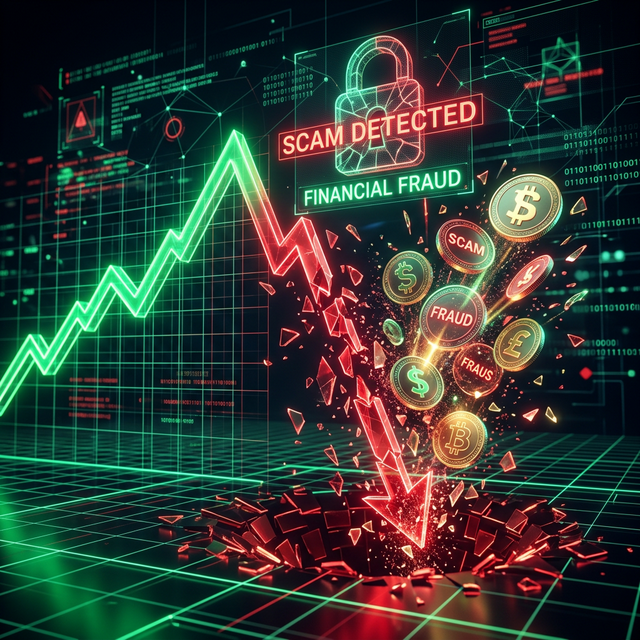
Investment Scams
Promises of high returns with zero risk. Often involves pressure to act fast.
Common Tactics
- Crypto doubling scams
- Fake trading platforms
- Pump & dump groups
- 'Buy this coin now' social media posts

Romance Scams
Scammers build an emotional connection over weeks or months, then 'need money urgently' for a crisis.
Common Tactics
- Long-distance partner needing emergency funds
- Fake military, oil rig, or FIFO worker personas
- Requests for plane tickets that are never bought

Tech Support Scams
They pretend your device is infected to gain remote access or sell useless software.
Common Tactics
- Fake Microsoft pop-up warnings
- Unexpected 'Amazon refund' calls
- Remote access requests (AnyDesk, TeamViewer)

Delivery & Package Scams
Extremely common in Australia. Exploits the fact that most people are waiting for a delivery.
Common Tactics
- 'Your package is on hold, pay $3'
- AusPost fake tracking links via SMS
- Requests to update address details via link
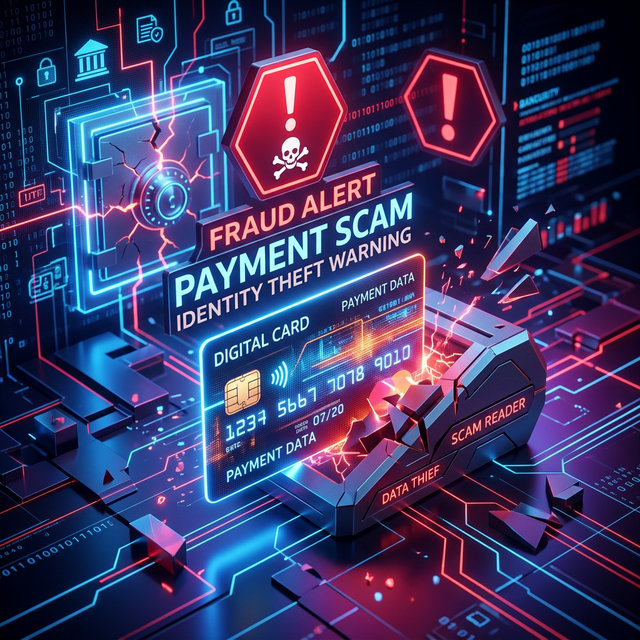
Banking & Payment Scams
Direct attempts to access your bank account or trick you into transferring funds.
Common Tactics
- Fake PayID 'overpayment' scam
- 'Your bank account is locked' SMS
- Card verification scams
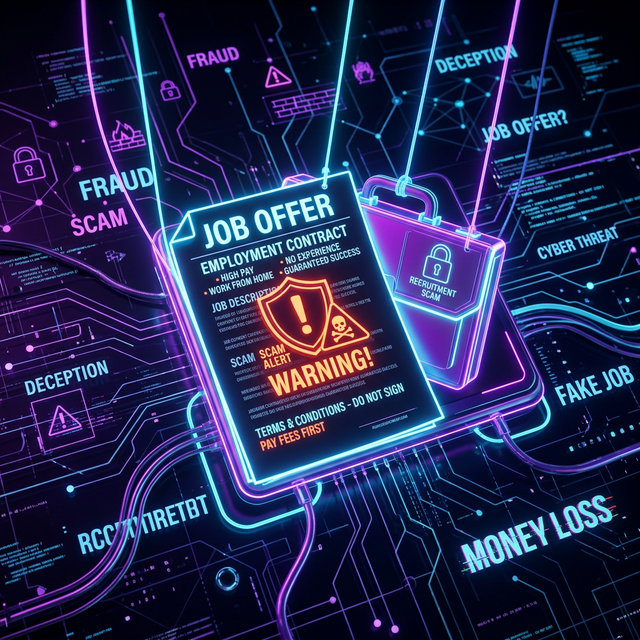
Job & Recruitment Scams
Offers of easy money or high-paying jobs with little effort, often via WhatsApp.
Common Tactics
- Fake recruiter texts (e.g., 'Hi I'm from Hays')
- Getting paid to like videos
- Mystery shopper scams
- Payroll diversion scams
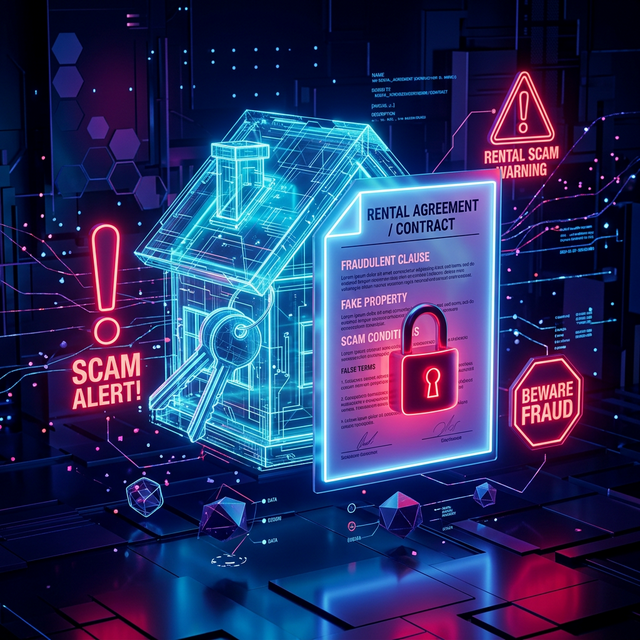
Rental & Real Estate
Scammers list properties they don't own to steal deposits or bond money.
Common Tactics
- Fake listings with unbelievably cheap rent
- Requests for deposits before viewing the property
- Landlord is 'overseas' and can't show the house
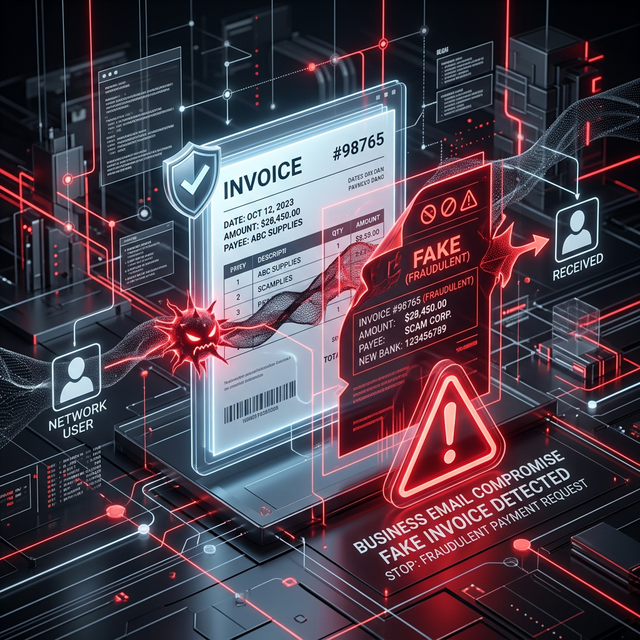
Fake Invoice & BEC
Business Email Compromise (BEC). Scammers intercept business emails to change payment details.
Common Tactics
- Invoice redirection (changing BSB/Acc No)
- CEO impersonation emails asking for gift cards
- Supplier payment fraud

Giveaway & Prize Scams
Claims that you have won a lottery or prize you never entered to steal fees or data.
Common Tactics
- 'You won $1,000' pop-ups
- Fake Woolworths/Coles survey emails
- Instagram 'brand ambassador' prize scams

Malware & Fake Apps
Software designed to damage your device or steal data, often disguised as legitimate apps.
Common Tactics
- APK downloads sent over SMS (Flubot)
- Fake banking apps
- Malicious browser extension scams

Impersonation Scams
Scammers pretend to be trusted figures to manipulate you into acting quickly.
Common Tactics
- Police threatening arrest
- Govt agency (ATO, Medicare)
- Bank fraud team calling you
- 'Hi mum, I lost my phone' (Family impersonation)

Travel & Accommodation
Fake holiday bookings that ruin vacations and steal money.
Common Tactics
- Fake Airbnb listings requiring wire transfers
- Fake hotel booking confirmation emails
- Non-existent flight deals
Crypto Recovery Scams
Preying on victims who have already lost money, promising to 'hack' it back for a fee.
Common Tactics
- 'We can recover your lost crypto'
- Fake MetaMask support chats
- Recovery agents on Twitter/Reddit